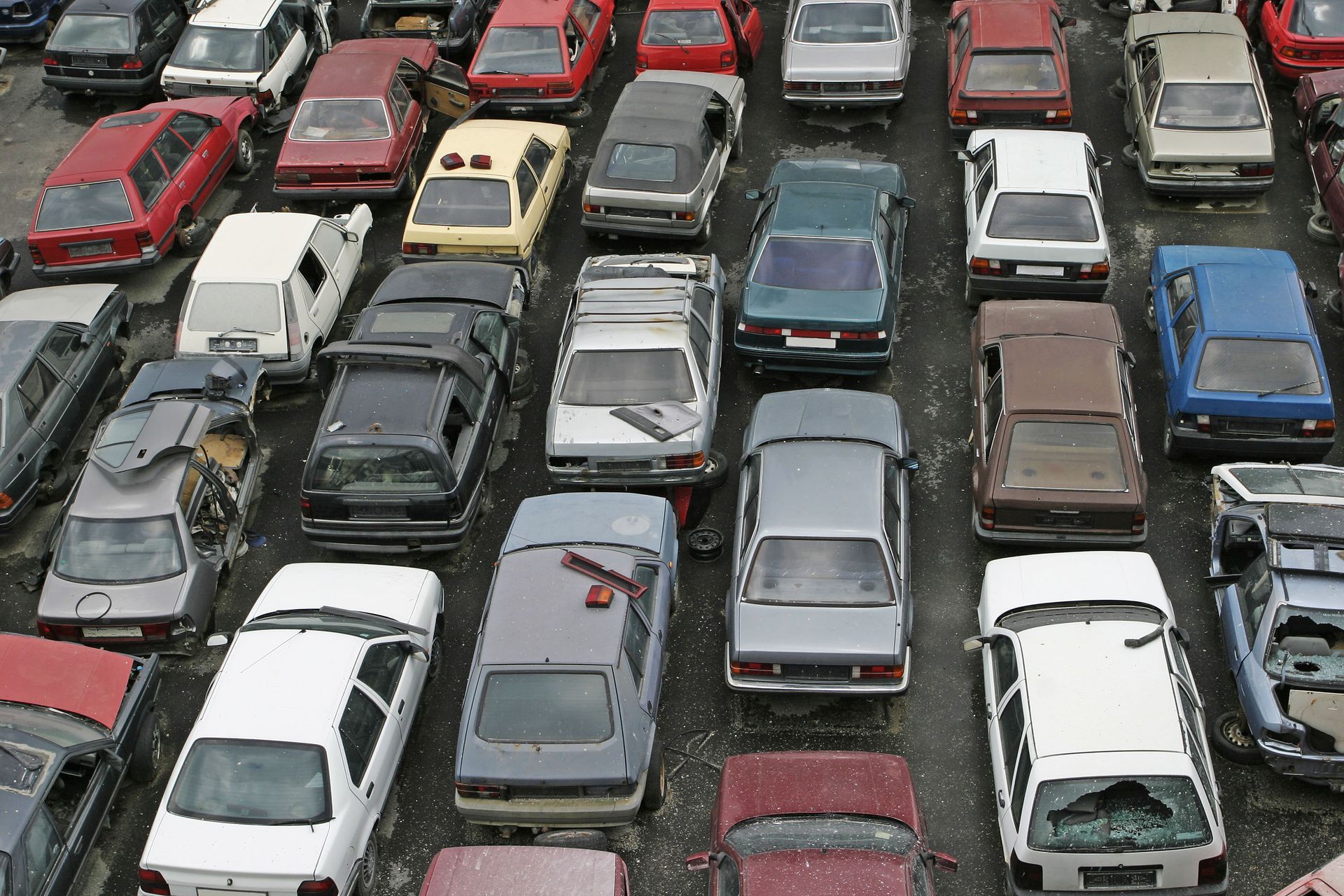
Every year, millions of outdated, damaged, or completely inoperable vehicles reach the end of their functional lifespans. While an old car sitting in a driveway, garage, or backyard may look like nothing more than an eyesore or a source of frustration, it actually represents a valuable concentration of reusable raw materials. Modern automobiles are complex mechanical systems constructed from a wide variety of elemental metals and specialized alloys, most of which retain their fundamental chemical properties regardless of the vehicle's age, mechanical condition, or body damage. Rather than allowing these end-of-life vehicles to rust away in landfills or rot in open fields, dismantling and recycling them allows society to recover critical industrial elements, conserve natural resources, and significantly reduce the environmental impact associated with traditional mining and smelting operations.
Understanding the hidden material value within an obsolete vehicle empowers car owners to make informed, financially sound, and environmentally responsible decisions when disposing of junk automobiles. Automotive manufacturing relies heavily on both heavy ferrous metals, which provide structural strength and collision protection, and lightweight non-ferrous metals, which enhance fuel efficiency, conduct electrical currents, and resist environmental corrosion. While heavy steel components dominate the overall weight of a standard automobile, smaller quantities of highly conductive copper, lightweight aluminum, and rare precious metals hidden within internal components carry immense market value. Partnering with an experienced auto salvage company ensures that these valuable materials are safely extracted, sorted, and routed into secondary industrial manufacturing streams, turning a neglected vehicle into a lucrative recycling asset.
Extracting High-Grade Steel and Structural Iron Frame Components
Forming the fundamental backbone of nearly every traditional automobile, structural steel and cast iron represent the largest percentage of a vehicle's total physical mass. Automotive manufacturers utilize high-strength steel alloys to build the unibody chassis, side safety beams, door panels, floor pans, and roof structures because steel provides unmatched structural rigidity, impact resistance, and occupant protection during collisions. Additionally, heavy cast iron is frequently used in engine blocks, cylinder heads, crankshafts, and heavy-duty suspension linkages due to its ability to withstand extreme internal pressure and intense thermal stress over long periods of operation.
When an end-of-life vehicle undergoes the industrial recycling process, these massive iron and steel components are crushed, shredded, and separated using powerful electromagnets. Because steel can be melted down and re-forged repeatedly without losing its inherent mechanical strength, recycled automotive steel serves as a vital raw material for the global construction, manufacturing, and transportation industries. Processing recycled steel requires significantly less energy and water than refining raw iron ore from open-pit mines, making automotive steel recovery a cornerstone of sustainable industrial manufacturing. Working with a reputable auto salvage company guarantees that your vehicle's heavy steel framework is efficiently processed and returned to the productive supply chain.
Reclaiming Lightweight Aluminum From Engine Blocks and Body Panels
Gaining immense popularity among modern vehicle manufacturers over recent decades, aluminum has become an essential material for reducing overall vehicle weight and improving fuel economy. Aluminum offers an exceptional strength-to-weight ratio and natural resistance to environmental corrosion, making it the ideal choice for engine blocks, cylinder heads, transmission casings, radiator heat exchangers, intake manifolds, and modern alloy wheels. In high-performance and luxury vehicles, entire body panels, hoods, and suspension arms are crafted from lightweight aluminum alloys to enhance vehicle handling and operating efficiency.
Extracting raw aluminum from bauxite ore requires an enormous amount of electrical energy, making the recovery of recycled aluminum extremely cost-effective and environmentally beneficial. Recycled automotive aluminum can be melted down using only a fraction of the energy required for primary production, dramatically reducing industrial greenhouse gas emissions. According to FinanceBuzz, 10% of recycled scrap metal is non-ferrous. Because non-ferrous metals like aluminum command higher market prices per pound than standard structural steel, vehicles with significant aluminum content hold substantial value when evaluated by a professional auto salvage company.
Harvesting Precious Copper Wiring and Internal Electrical Systems
Running throughout the hidden interior spaces of every modern automobile is an intricate electrical network constructed primarily from high-purity copper wire. Copper is renowned for its extraordinary electrical conductivity, flexibility, and thermal resistance, making it indispensable for manufacturing alternator windings, starter motors, power window motors, ignition coils, electronic control units, and extensive wiring harnesses. As modern vehicles incorporate more digital safety features, touchscreen infotainment systems, and advanced driver-assist sensors, the total amount of copper embedded within a standard vehicle continues to rise significantly.
Harvesting copper from junk cars requires careful manual disassembly or specialized mechanical shredding and sorting technology to separate heavy copper wiring from plastic insulation and surrounding chassis metals. Because raw copper mining is environmentally invasive and copper market demand remains consistently high worldwide, reclaimed automotive copper is one of the most financially rewarding metals recovered during vehicle dismantling. Entrusting your vehicle to a certified auto salvage company ensures that complex wiring looms and electrical components are thoroughly harvested rather than discarded as industrial waste.
Recovering High-Value Platinum and Rare Earth Catalytic Elements
Housing one of the most concentrated sources of precious metals on the planet, the exhaust system of a gasoline or diesel vehicle contains a vital emissions control device known as a catalytic converter. Located along the undercarriage exhaust pipe, the catalytic converter utilizes an internal ceramic honeycomb structure coated with micro-layers of platinum, palladium, and rhodium. These rare precious metals act as chemical catalysts, converting toxic exhaust gases—such as poisonous carbon monoxide, unburned hydrocarbons, and harmful nitrogen oxides—into harmless water vapor, nitrogen, and carbon dioxide before emissions exit the tailpipe.
Despite their small physical size, catalytic converters carry immense financial value due to the extreme rarity and high global market value of platinum group metals. Mining these rare elements requires moving tons of subterranean ore, making recycled catalytic converters a primary global source for industrial platinum group elements. Because removing and processing catalytic converters requires specialized environmental safety protocols and secure handling, relying on an established auto salvage company guarantees that these high-value chemical catalysts are legally, safely, and efficiently reclaimed for high-tech manufacturing applications.
Salving Durable Lead and Zinc From Battery Systems and Coatings
Utilized extensively throughout various functional sub-systems, lead and zinc represent two critical non-ferrous metals consistently recovered from end-of-life automobiles. Standard twelve-volt automotive starter batteries rely on heavy lead plates submerged in sulfuric acid solution to deliver the high cold-cranking electrical current needed to ignite internal combustion engines. Additionally, zinc plays a crucial background role in automotive longevity, serving as a protective galvanized coating applied over sheet steel body panels to prevent moisture exposure, rust formation, and paint blistering over years of outdoor operation.
At South Whitehall Salvage, we are deeply committed to maximizing the value of your end-of-life vehicle, protecting our local environment, and delivering top-tier auto recycling solutions through master field experience, advanced processing equipment, and dedicated customer care. Our team of experienced vehicle appraisers, dismantling specialists, and environmental safety technicians brings deep material knowledge, modern towing fleets, and meticulous attention to detail to every vehicle removal project we execute across our community. We take immense pride in evaluating your unique junk car, truck, or commercial vehicle, offering fair, transparent pricing based on real-time scrap metal market rates, and managing all necessary title paperwork and towing logistics seamlessly. Contact us today to schedule your free vehicle pickup and discover how our dedicated team can turn your old car into cash.