November 13, 2026
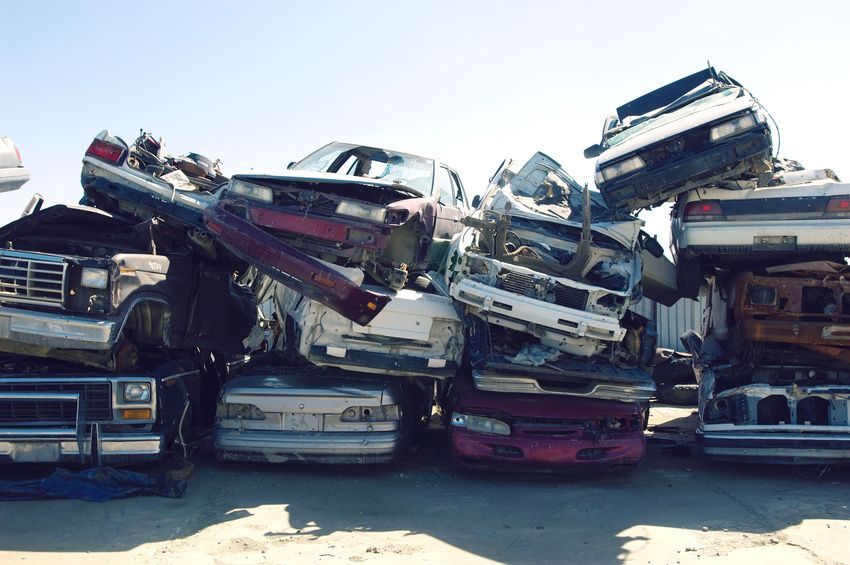
Vehicle recycling reduces waste by recovering usable automotive parts, metals, and other materials from unwanted vehicles. In Pennsylvania, local auto salvage companies evaluate damaged vehicles, identify reusable components, and direct recyclable materials to appropriate facilities. These efforts provide affordable replacement options for drivers and repair shops while supporting responsible resource management and reducing unnecessary automotive waste.
Recovering Usable Parts From End-of-Life Vehicles
One of the most important contributions of the automotive recycling industry is recovering components that remain in usable condition. A vehicle may be considered totaled or no longer practical to repair, but many of its individual parts can still function properly.
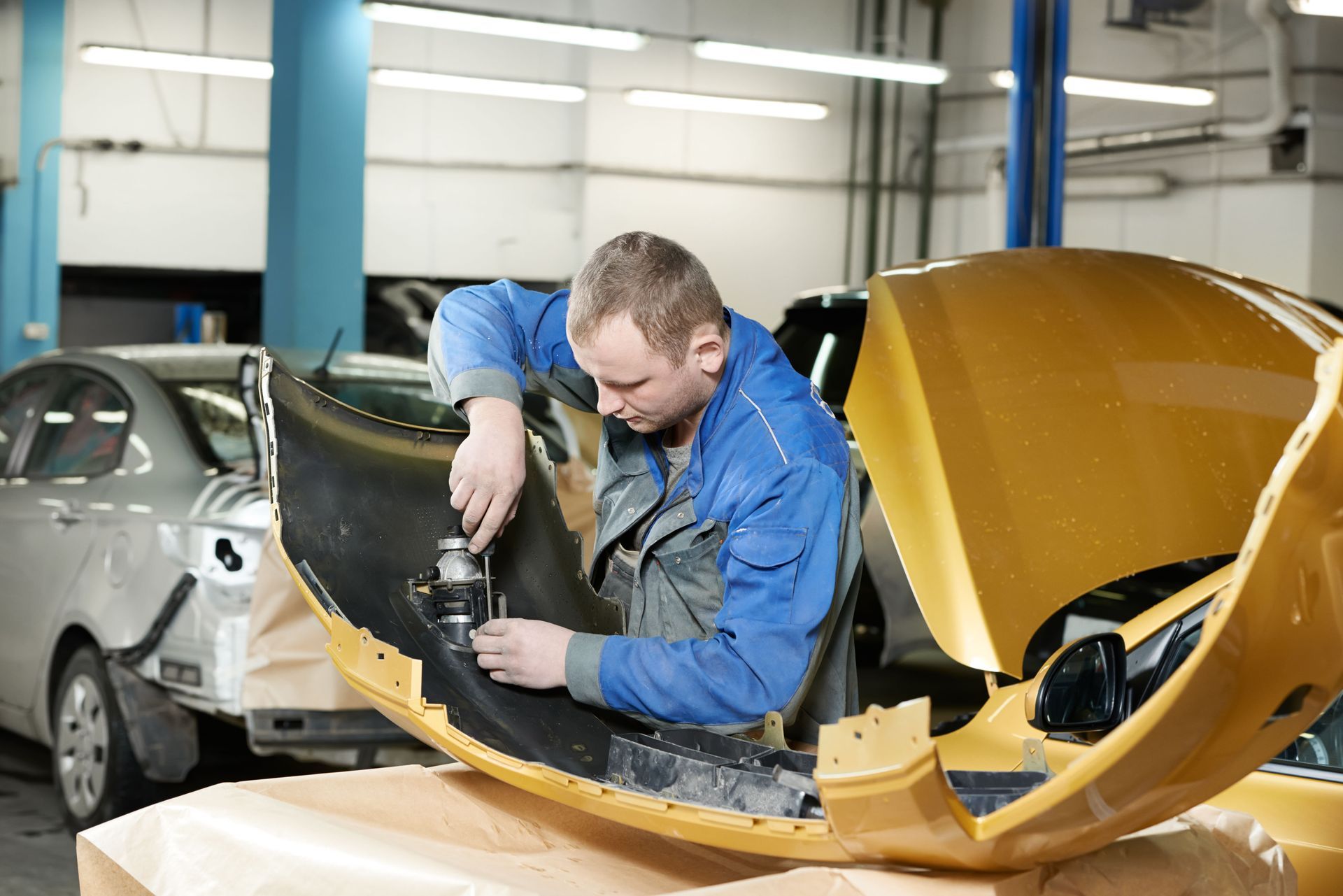
Depending on the vehicle's condition, salvage professionals may identify engines, transmissions, alternators, starters, doors, mirrors, wheels, and other components suitable for resale. These parts can provide replacement options for vehicle owners and repair shops without requiring every repair to involve brand-new components.
According to Collision Repair Magazine, approximately 5,000 to 5,500 locations across the country dismantle vehicles and sell their usable parts. These facilities help keep functional automotive components in circulation rather than allowing them to become unnecessary waste.
The recovery process generally begins with an evaluation of the vehicle. Professionals consider its condition, age, make, model, and the state of its individual components. Parts are then assessed for potential reuse, with appropriate handling and testing procedures helping determine their suitability for resale.
For Pennsylvania drivers, local auto salvage companies offer access to recovered components that may be useful for a wide range of repair needs. This creates another option for finding replacement parts while supporting the continued use of existing automotive resources.
Reducing Waste Through Automotive Recycling
Vehicles contain a variety of materials that can be recovered and processed instead of being sent directly to landfills. Steel, aluminum, copper, and other metals are commonly found throughout automotive structures and components. These materials can enter recycling streams and become resources for future manufacturing.
Steel is particularly important because it is widely used in vehicle frames, body panels, and structural components. Aluminum is also found in various automotive applications, including engine components and certain body parts. Recovering these materials helps keep valuable resources in circulation.
The recycling process involves separating materials according to their composition and directing them to appropriate processing facilities. Once recovered metals are prepared, they can be used in manufacturing applications beyond the automotive industry.
This approach helps reduce the amount of material discarded when vehicles reach the end of their useful lives. It also supports more responsible resource management by making use of materials that have already been extracted and processed.
Local auto salvage companies contribute to this effort by separating reusable components from materials that require further recycling. Their work helps ensure that vehicles are evaluated for their remaining value before disposal is considered.
Supporting the Demand for Affordable Replacement Parts
Vehicle repairs can become expensive, particularly when a damaged or aging vehicle needs multiple replacement components. Purchasing new parts is not always the only option, and recycled automotive components can provide an alternative for certain repairs.
Used parts recovered from salvage vehicles may help drivers and repair facilities manage replacement costs. Depending on availability and condition, these components can include body panels, interior pieces, electrical components, and mechanical parts.
Compatibility is an important consideration when purchasing recycled parts. Vehicle year, make, model, engine configuration, and trim level can all affect whether a component will work for a particular application. Some parts may also have different specifications between model years.
Professional salvage operations help customers identify components based on available inventory and vehicle information. This can make the search for a suitable replacement more straightforward, particularly when a specific part is difficult to locate through traditional retail channels.
For repair businesses, access to recycled components can also provide additional sourcing options when working on older vehicles or models with limited new-part availability. Local auto salvage companies help connect these businesses and individual customers with parts that may otherwise be difficult to find.
Extending the Useful Life of Automotive Components
Reusing automotive parts helps extend the useful life of components that still have practical value. Instead of manufacturing a new replacement every time a vehicle needs a repair, a suitable recovered component may be able to serve the same purpose.
This process supports a more circular approach to automotive resource use. Components move from one vehicle to another, allowing materials and manufactured products to remain useful beyond their original application.
For example, a vehicle involved in a collision may have significant exterior damage while retaining functional interior components, electrical systems, or mechanical parts. Recovering those items allows them to serve other vehicles that need replacements.
The condition of each component matters. Parts must be evaluated individually because damage to one area of a vehicle does not necessarily indicate that every other system is unusable. At the same time, components with safety-related functions require appropriate evaluation before being considered for reuse.
Local auto salvage companies help facilitate this process by identifying which items have potential resale value and which materials should be directed toward recycling. This distinction helps make better use of the resources contained in vehicles that are no longer suitable for everyday transportation.
Managing Fluids and Potentially Hazardous Materials
Vehicle recycling involves more than removing parts and recovering metal. Automobiles contain fluids and other materials that require careful handling during dismantling.
Depending on the vehicle, these materials may include engine oil, transmission fluid, coolant, brake fluid, fuel, and refrigerants. Batteries and certain automotive components also require appropriate handling because of their chemical contents.
If these materials are not managed properly, they can create environmental concerns. For example, automotive fluids may contaminate soil or water if they leak into the surrounding environment.
Professional vehicle processing includes procedures for identifying, removing, storing, and managing these materials according to applicable requirements. This helps reduce the likelihood of spills and supports responsible recycling practices.
Pennsylvania salvage operations must also consider relevant environmental and regulatory obligations when processing vehicles. Proper handling helps protect surrounding properties and communities while allowing other vehicle materials to move through the recycling process.
By incorporating these practices into their operations, local auto salvage companies contribute to a more responsible approach to handling vehicles at the end of their useful lives.
Supporting Pennsylvania's Automotive Repair Industry
The availability of recycled automotive parts benefits more than individual vehicle owners. Repair shops, collision centers, and other automotive businesses may also rely on salvage inventory when sourcing replacement components.
Pennsylvania has drivers with a wide range of vehicles, including older models that may be difficult to support with readily available new parts. As vehicles age, certain components can become harder to locate through conventional parts suppliers.
Salvage inventory provides another potential source for these items. A repair facility working on an older vehicle may be able to find a compatible component from a vehicle that has already been dismantled.
Pennsylvania drivers can find affordable replacement components through local auto salvage companies, which offer recovered parts for various repair needs. Availability depends on inventory and vehicle compatibility. Providing accurate vehicle details and asking about part condition, testing, and warranties can help customers identify suitable replacements for their vehicles.
Vehicle recycling creates value by recovering usable components, separating recyclable materials, and reducing unnecessary waste. South Whitehall Salvage supports this process by helping customers access automotive salvage resources and usable replacement parts. Contact South Whitehall Salvage today to ask about available inventory and find parts for your vehicle.